Lichens
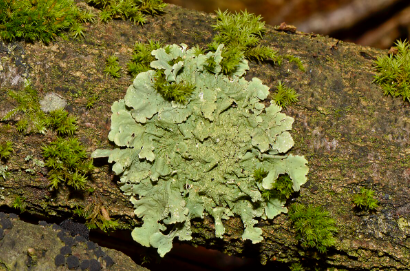
Why it Matters?
Indian scientists have discovered a new lichen species, Allographa effusosoredica, from the Western Ghats, advancing biodiversity research and symbiosis studies in India.
What You Should Know?
Lichens are a symbiotic association between a fungus (mycobiont) and an alga or cyanobacterium (photobiont).
They are not plants and are distinct from mosses, despite often being confused due to their similar habitat and appearance.
Fungi (Kingdom: Fungi) provide structure and protection but cannot photosynthesize; they depend on the algal partner for food.
Algae (Kingdom: Protista) or cyanobacteria (Kingdom: Monera) perform photosynthesis, supplying nutrients for the lichen.
Lichens are found in diverse climates and habitats, from deserts to alpine tundra and tropical rainforests.
Lichens are non-vascular organisms (like mosses) but lack roots, stems, and leaves; chloroplasts are present only in the algal component.
They survive in harsh environments, enabling algae to live in dry, sunny areas due to the fungus’s protective role.
Ecological roles include soil formation, nitrogen fixation (especially with cyanobacterial partners), food for insects and animals, and bioindicators of air quality due to their ability to absorb pollutants.