di-ammonium phosphate (DAP)
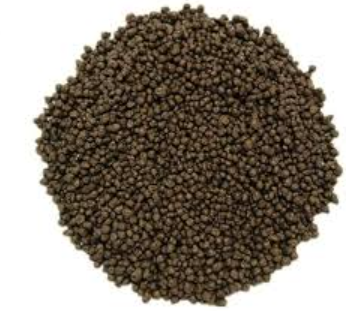
Why it Matters?
China’s export restrictions on di-ammonium phosphate (DAP), aimed at meeting domestic and EV battery industry demand, have sharply reduced India’s DAP imports from 22.9 lt in 2023–24 to 8.4 lt in 2024–25, with none in 2025 so far.
What You Should Know?
DAP is India’s second-most consumed fertiliser after urea (average 103.4 lt annually vs 359 lt of urea).
The opening stock of DAP on June 1, 2025, was 12.4 lt, lower than 21.6 lt in 2024 and 33.2 lt in 2023.
DAP is critical at the sowing stage, providing 46% phosphorus (P) and 18% nitrogen (N) for early crop development.
News:
India is facing rising DAP import prices amid Chinese export curbs, pushing it to source from Saudi Arabia, Morocco, Russia, and Jordan. Even phosphoric acid prices also hit $1,258/tonne for July–Sept 2025.
DAP, with 46% phosphorus (P) and 18% nitrogen (N), is a high-analysis fertiliser, and experts recommend shifting to balanced fertilisers like NPKS complexes for better nutrient absorption.
Sales of NPKS complexes rose 28.4% in 2024–25, with ammonium phosphate sulphate (APS) (20:20:0:13) emerging as the third most used fertiliser, especially in sulphur-hungry crops.
DAP sales fell, but APS and single super phosphate (SSP) gained, marking a shift toward balanced fertilisation amid price control and India’s limited phosphate reserves.