Sexual Harassment of Women at Workplace (Prevention, Prohibition and Redressal) (POSH) Act 2013
Why it Matters?
A Bihar ASI has been suspended following an FIR alleging sexual assault and caste-based abuse against a Scheduled Caste woman sub-inspector, invoking provisions under the Bharatiya Nyaya Sanhita, POSH Act, and SC/ST (Prevention of Atrocities) Act.
What You Should Know?
The Sexual Harassment of Women at Workplace (Prevention, Prohibition and Redressal) Act, 2013 was enacted to ensure the safety and dignity of women at work.
The Act aims to prevent, prohibit, and redress sexual harassment at the workplace.
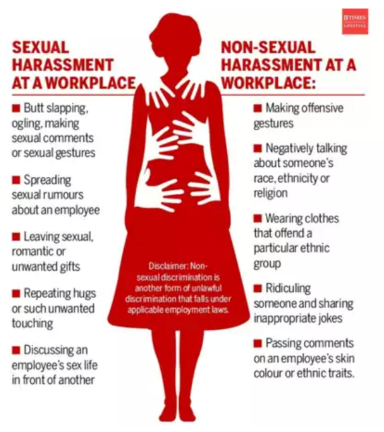
It defines sexual harassment to include unwelcome physical contact, sexual advances, demand or request for sexual favours, sexually coloured remarks, showing pornography, and any other unwelcome conduct of a sexual nature.
The Act was based on the Vishakha Guidelines, laid down by the Supreme Court in 1997 in Vishakha v. State of Rajasthan.
It draws constitutional strength from Article 15, which prohibits discrimination based on sex.
The Act also draws from CEDAW (Convention on Elimination of All Forms of Discrimination Against Women), ratified by India in 1993.
Employers are legally bound to prevent and prohibit sexual harassment in the workplace.
Every workplace with 10 or more employees must establish an Internal Complaints Committee (ICC).
The ICC has the powers of a civil court for collecting evidence and conducting inquiries.
Employers must conduct awareness programs and display details of the PoSH Act at prominent places in the workplace.
The Act provides a structured complaint mechanism and ensures a fair inquiry for both the complainant and respondent.
Non-compliance with the provisions can lead to penalties, including fines and cancellation of business licenses.