Indian Grey Wolves Indian Grey Wolves
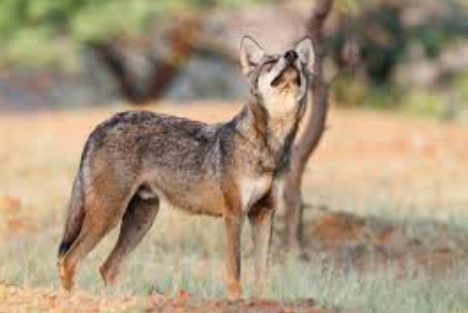
Context: The Indian grey wolf (Canis lupus pallipes) is facing a sharp population decline in Maharashtra’s Kadbanwadi grasslands due to threats from feral dogs, disease transmission like canine distemper virus (CDV), and habitat pressures, highlighting the urgent need for targeted conservation measures.
Important Pointers:
Species: Indian grey wolf (Canis lupus pallipes) is a subspecies of the grey wolf.
Habitat: Found in peninsular and semi-arid regions of India — grasslands, scrublands, and open forests.
Distribution: States include Madhya Pradesh, Maharashtra, Karnataka, Rajasthan, and Gujarat.
Conservation Status:
IUCN Red List: Endangered
India (Wildlife Protection Act, 1972): Schedule I
Threats: Habitat loss, prey depletion, human-wolf conflict, and illegal poaching.
Behaviour: Social animals, live in small packs, are primarily nocturnal hunters.
Diet: Carnivorous — preys on wild herbivores and livestock.
Ecological Role: Apex predator — helps maintain balance in prey populations.
Conservation Measures: Habitat protection, conflict mitigation, and awareness programs.
Kadbanwadi Grasslands:
Location: Kadbanwadi is in the Solapur district of Maharashtra, a drought-prone region.
Transformation: Once barren land, now a thriving grassland ecosystem due to community-led watershed development.
Model Village: Kadbanwadi is a notable example of community-driven water conservation and ecological restoration.
Ban Kapur Wolf Sanctuary:
Location: Ban Kapur, Koppal district, Karnataka
Establishment: Approved in 2021 as Karnataka's first wolf sanctuary
Area: Covers approx. 332 hectares (820 acres) of dryland habitat
Significance: India’s second exclusive wolf sanctuary after Mahuadanr (Jharkhand)
Habitat: Scrub forests, rocky terrain, and natural caves
Flora: Dry grasslands with Acacia, Neem, Ficus species
Fauna: Indian grey wolves, leopards, blackbucks, foxes, peacocks, hares, porcupines