Chimeric Antigen Receptor (CAR) T-Cell Therapy
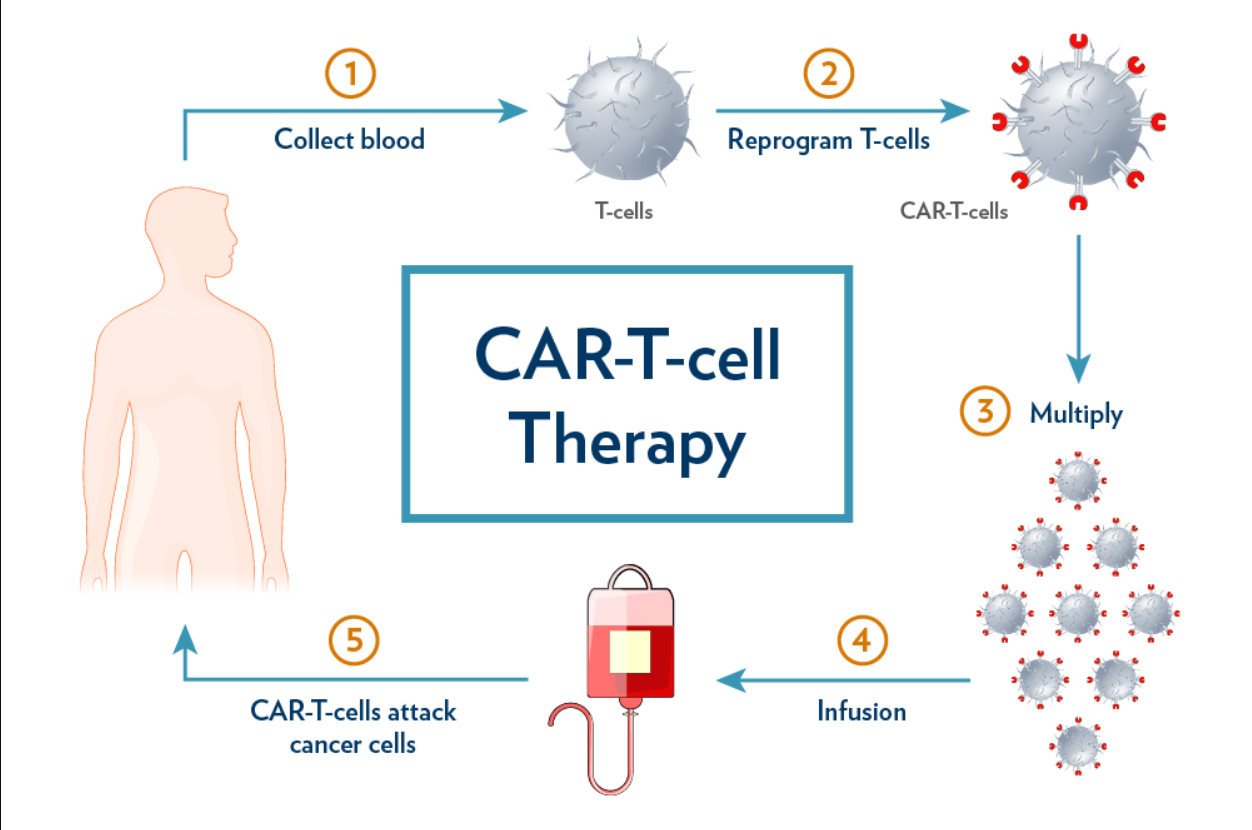
Why it Matters?
A new in vivo method delivers CAR instructions directly into T-cells using lipid nanoparticles and mRNA, eliminating the need for lab-based cell engineering and chemotherapy, potentially revolutionising cancer and autoimmune treatment.
What You Should Know? CAR T-Cell Therapy:
It is a form of immunotherapy where a patient’s own T-cells are genetically modified to recognize and kill cancer cells.
T-cells are extracted from the patient, engineered in a lab to express Chimeric Antigen Receptors (CARs), and infused back.
CARs help T-cells detect specific proteins like CD19 or CD20 on cancer cells, enabling targeted killing.
Commonly used in blood cancers such as leukaemia and non-Hodgkin lymphoma.
Recently, it has been trialled for autoimmune diseases like lupus and myositis.
Recent Discovery - New In Vivo CAR T-Cell Technique:
T-cells can now be engineered inside the body using mRNA and lipid nanoparticles (LNPs), which eliminates the need to extract and process cells in a lab.
Researchers developed CD8-targeted lipid nanoparticles (CD8-tLNPs) to deliver genetic instructions specifically to CD8+ T-cells.
This method reprograms T-cells directly in vivo, bypassing lab-based manufacturing.
First tested in mice and monkeys, showed B-cell depletion and tumour regression.
This approach mimics drug infusion rather than a complex cell therapy procedure.
Benefits:
It is highly effective for certain blood cancers, and it shows up to 90% success in some leukaemia and lymphoma cases.
It has the potential to cure specific cancers completely.
It has shorter treatment and recovery times compared to traditional therapies.
It is personalized and targeted therapy with fewer effects on healthy tissues.
It reduces cost, eliminates the need for chemotherapy, and reduces long-term genetic risks.
It may be usable for autoimmune diseases by resetting the immune system.
It uses biodegradable Lipid 829, showing low toxicity and minimal liver effects.