Stress-Free NEET and JEE Preparation: A Practical Learning Model
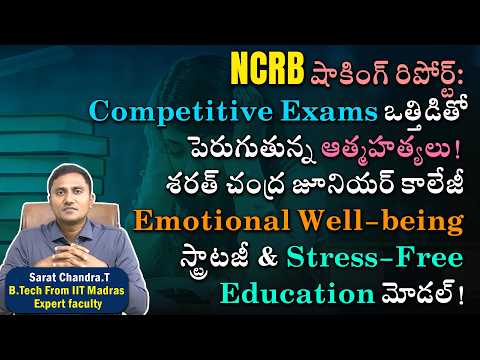
The video accompanying this article presents a stress-free education model for competitive-exam students. The phrase can be misunderstood: serious NEET or JEE preparation will include effort, uncertainty and demanding assessments. A healthy model does not remove challenge. It removes avoidable chaos, fear-based communication and the belief that one test defines a student.

Watch the stress-free education video

What stress-free preparation should mean
Students know the daily and weekly expectations instead of reacting to constant schedule changes.
Tests produce specific feedback and a correction plan, not only a rank announcement.
Doubts can be raised without embarrassment and weak students receive structured catch-up support.
Sleep, meals, movement and short recovery periods are treated as part of performance.
Parents and faculty discuss trends and behaviours rather than using threats or comparisons.
Use a predictable weekly rhythm
A stable week might include concept classes, supervised practice, a scheduled test, paper discussion, backlog time and one lighter recovery block. Predictability reduces decision fatigue. Students can focus on the next task because they know when revision, doubts and testing will happen.
Replace vague pressure with usable feedback
“Study harder” does not tell a student what to do. Better feedback names the behaviour: revise two missed NCERT pages, practise ten unit-conversion questions, reduce unattempted Chemistry questions, or meet the faculty member about a recurring mechanics error. Specific feedback makes improvement visible and lowers helplessness.
A recovery protocol after a poor score
Wait until the immediate emotion settles before analysing the paper.
Separate syllabus gaps, careless mistakes, time loss and anxiety-related errors.
Choose two or three corrections that can be completed before the next test.
Ask for support if sleep, appetite, concentration or mood remain disrupted.
How parents can reduce avoidable pressure
Keep conversations regular and brief instead of questioning the student only after results. Ask about the plan, obstacles and support needed. Avoid comparing siblings, classmates or coaching ranks. If the student reports persistent distress, take it seriously and seek appropriate professional help; academic mentoring is not a substitute for mental-health care.
High expectations and wellbeing can coexist
Students can be held accountable for attendance, practice, revision and honest test review while still being treated with respect. The goal is disciplined preparation that can be sustained through the full academic cycle, not a short burst created by fear.
Next step: Explore NEET Coaching in Vijayawada for programme details, eligibility and counselling information.